



Полотна для пил
Подборка товаров из категории Полотна для пил - нажмите на фото, что бы узнать где купить c доставкой.
-
SaleNew

24-дюймовые алмазные пильные диски с узким зубьями для резки агата, яшмы и опала.
-
SaleNew
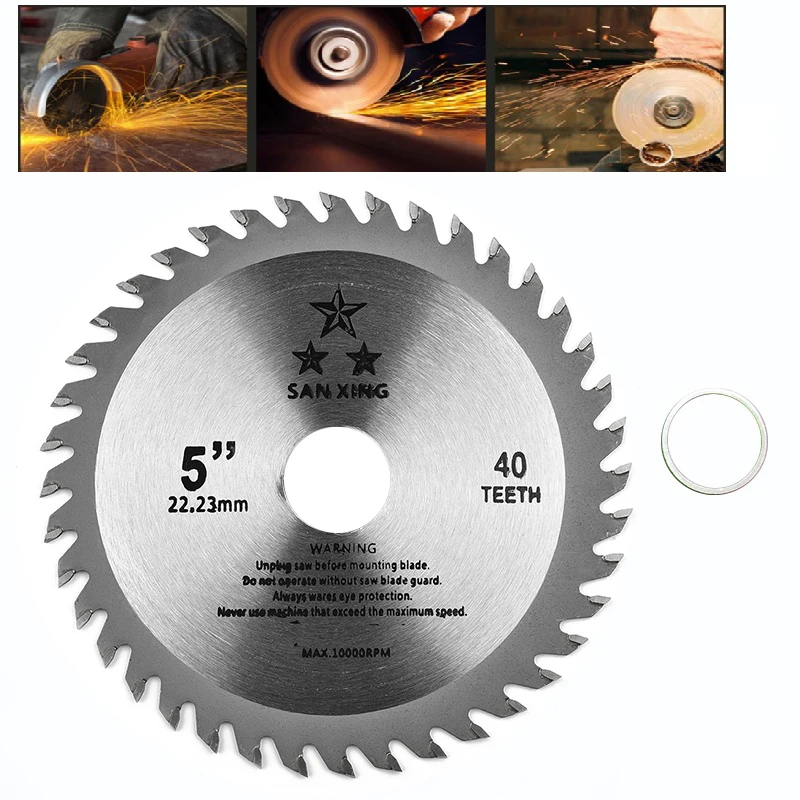
Диск для пилы круговой 125 мм из карбида для резки дерева, гранита, мрамора на столе и угловой шлифовальной машине.
-
SaleNew

10 шт. вращающийся инструмент + 2 съемный стержень лезвия для циркулярной пилы
-
SaleNew
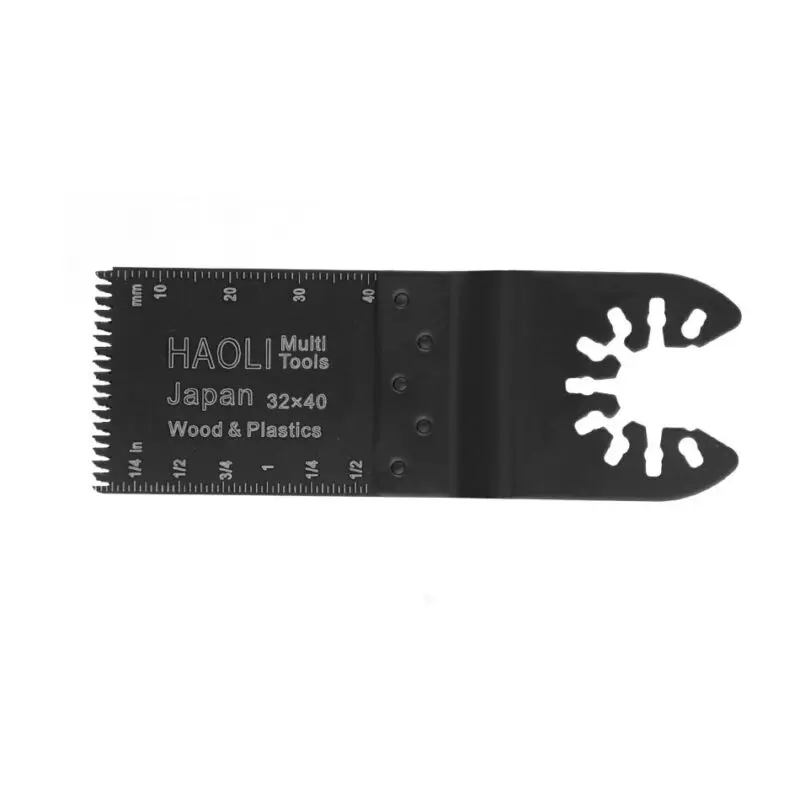
100 шт. пилы Набор розеток для резки лиственных пород Осциллирующий мульти
-
SaleNew
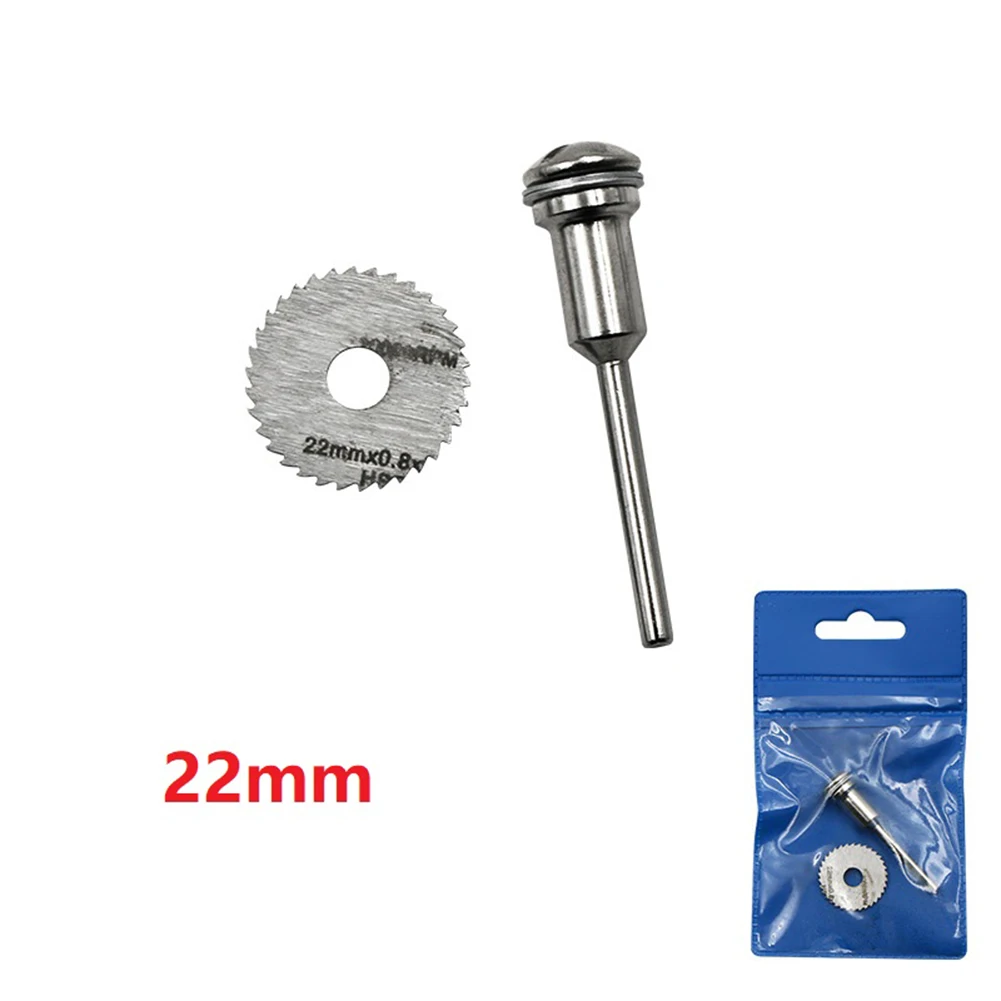
2 шт./компл. прочная мини-пила из быстрорежущей стали режущий диск шлифовальный
-
SaleNew
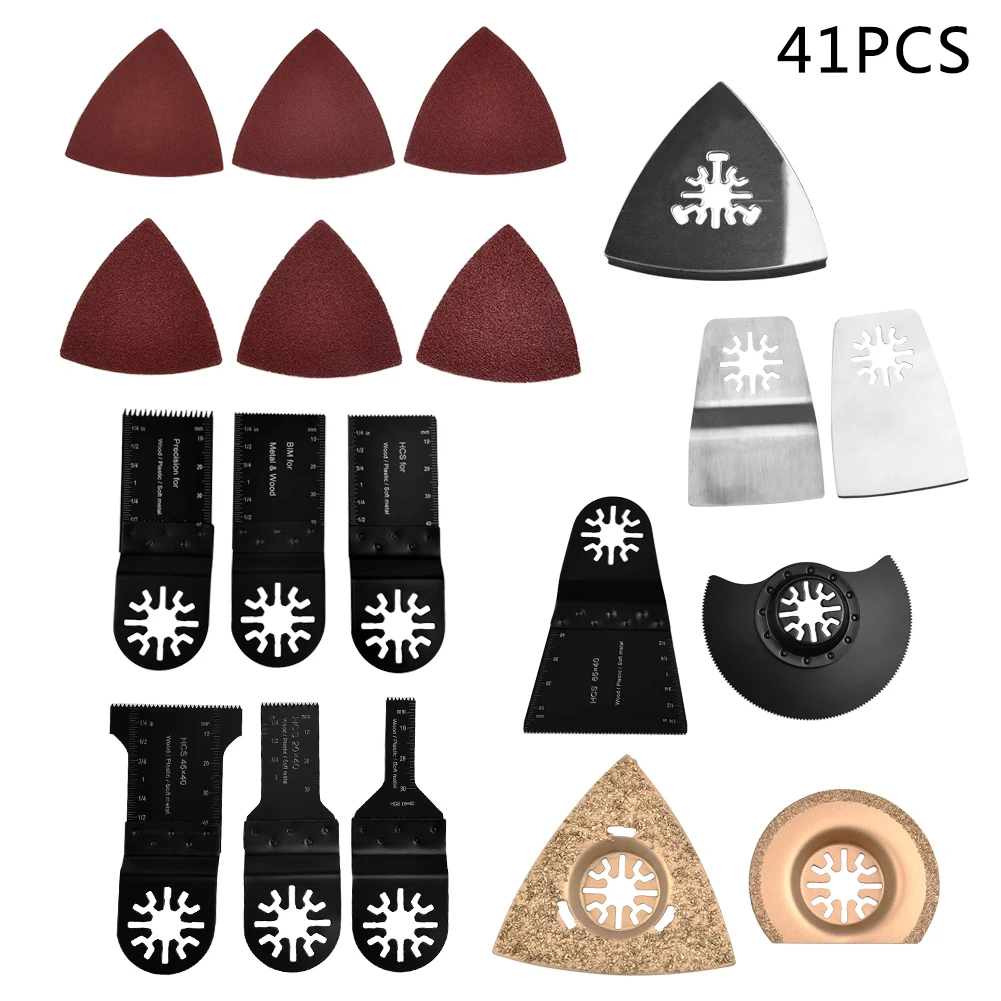
41 шт. Осциллирующий Многофункциональный биметаллический пильный диск для
-
SaleNew

Акция! Настольный дозатор для ленты пресс-подборщик крафт-бумаги с влажной водой
-
SaleNew

Металлические ленточные пилы 57 9x1/2x0 25 дюйма или 1470*13*0 65 * 14tpi M42 для ленточных пил
-
SaleNew
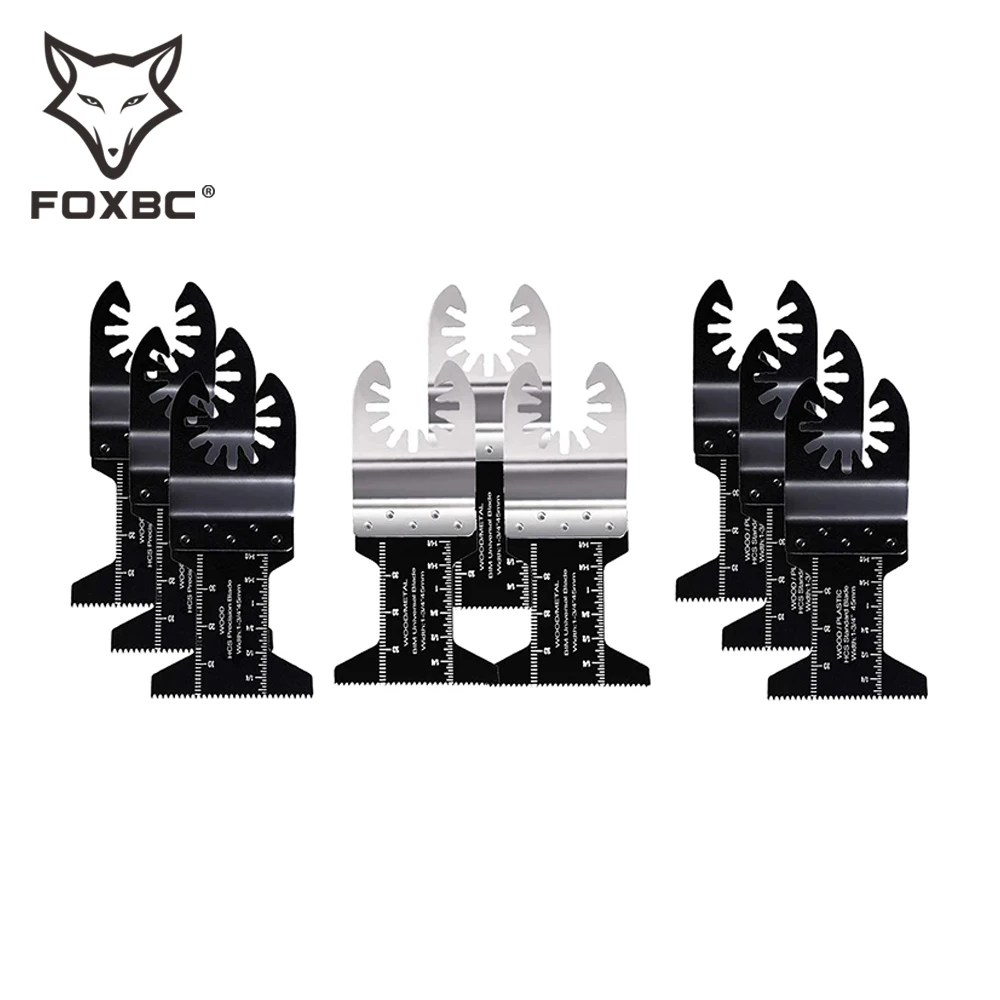
Осциллирующие пильные диски FOXBC 20 шт. для Dewalt Bosch Makita электроинструменты резки
-
SaleNew
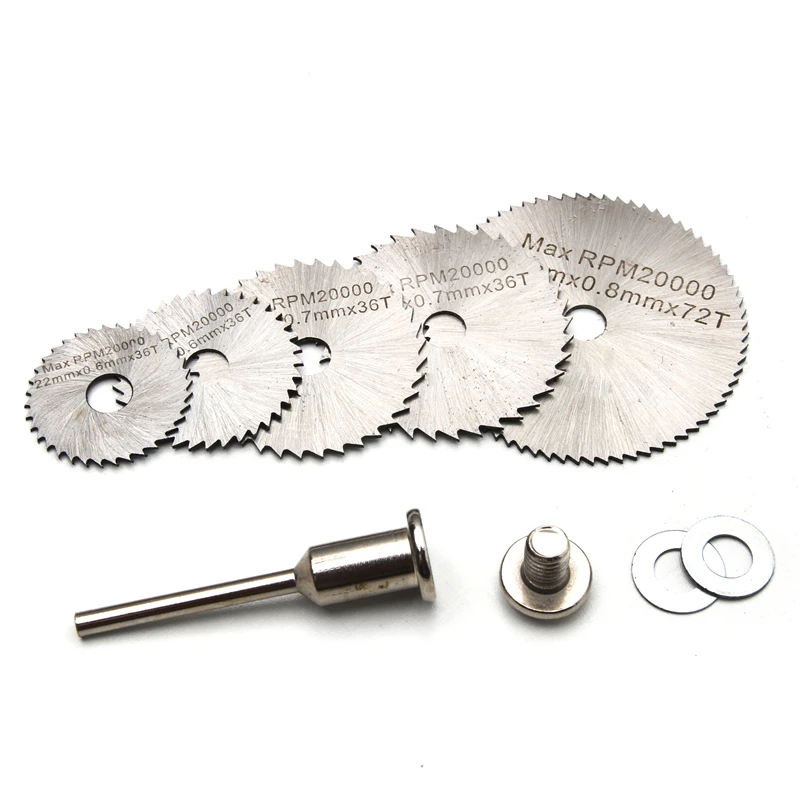
Диск дисковый из быстрорежущей стали с 40/60 зубьями 6 шт./компл. 22/25/32/35/44 мм - купить
-
SaleNew

1 шт. Осциллирующее многофункциональное полотно пилы многофункциональный
-
SaleNew

Диск пильный по дереву Кратон PROFESSIONAL Ø250 х 32 2 9 мм 40Т (в компл. перех. кольцо 32х30 мм) 1
-
SaleNew

Алмазный режущий диск FINGLEE 3 5/4/5/ 5/7/9 дюйма для керамической плитки сухой пилы
-
SaleNew

2 шт./лот 16x0 56x3T 1900/1980/2000/2083/2100/2240/2275/2400/2489/2548 мм ленточная пила для мяса резка
-
SaleNew
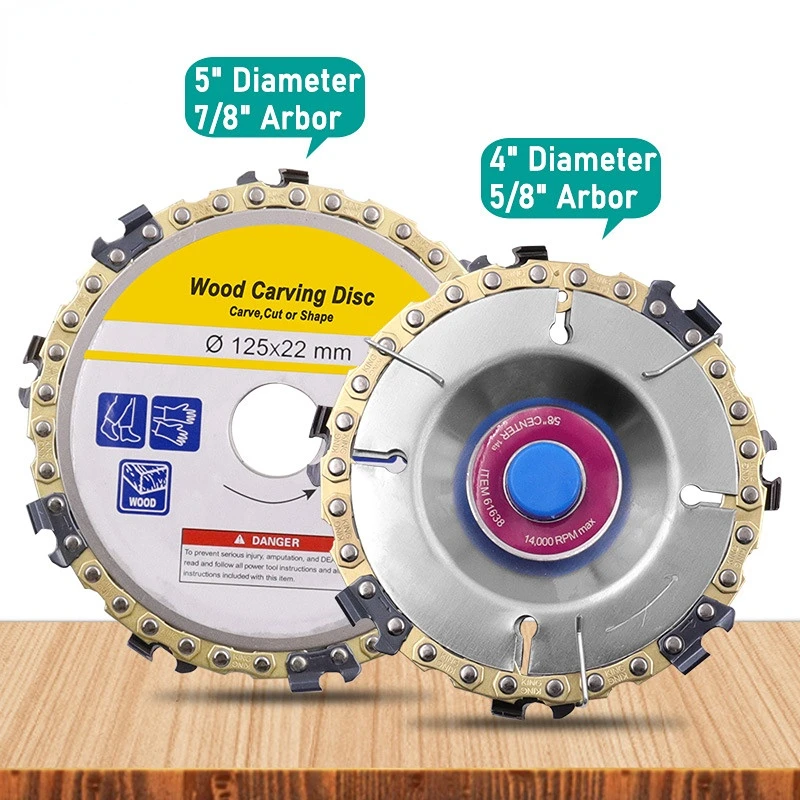
Диск для резьбы по дереву диаметром 4/4 5/5 дюймов - купить выгодной цене
-
SaleNew

Высококачественное пильное полотно из быстрорежущей стали 85 мм для деревянных
-
SaleNew

5 шт. S1022BF BIM 202 мм 8 "возвратно-поступательная сабельная пила набор лезвий гибкий
-
SaleNew
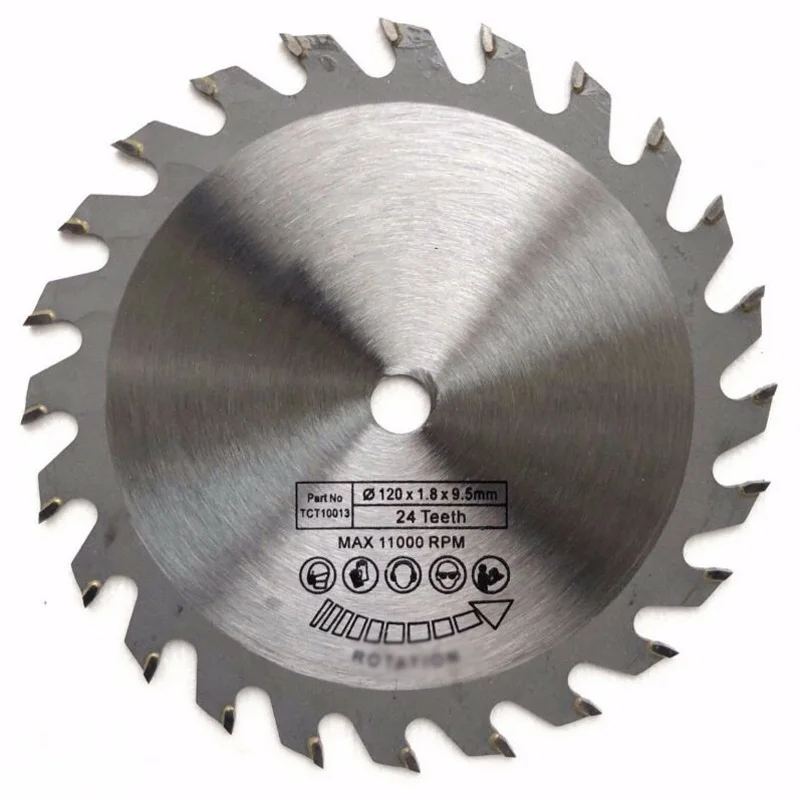
Твердосплавные пильные диски для угловой шлифовальной машины 1 8 мм - купить по
-
SaleNew

Алмазный пильный диск 85/89 мм режущие диски для бетона керамики кирпича мрамора
-
SaleNew

Многофункциональные лезвия для пилы многофункциональные колеблющиеся
-
SaleNew

Хорошее качество прочный 2360*27*0 9*4/6 наконечник M42 TPI bi металлические ленточные пилы
-
SaleNew

Осциллирующее полотно пилы мульти инструмент для резки дерева металла и
-
SaleNew
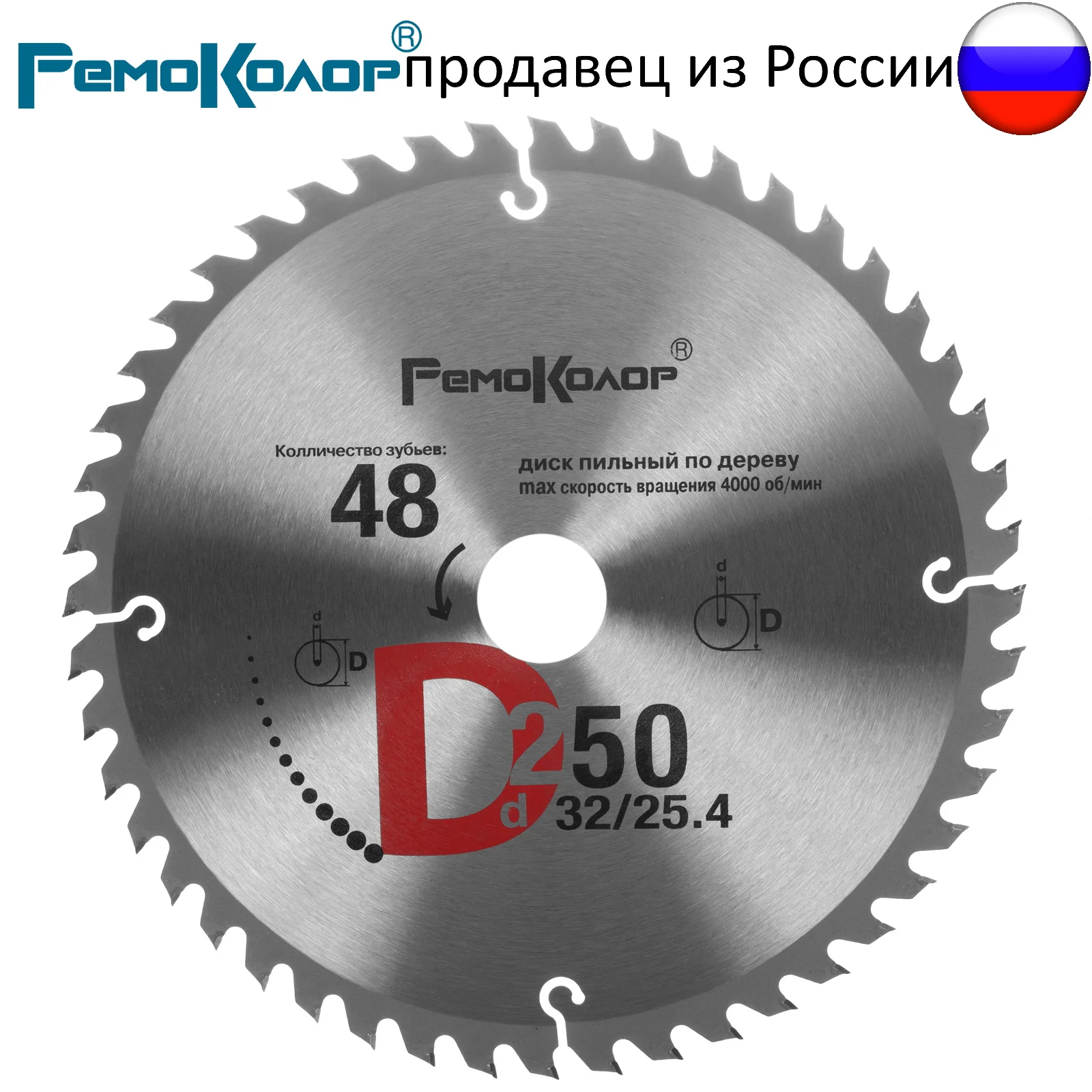
Диск пильный по дереву 250 x 32 48T с переходным кольцом РемоКолор Pro - купить выгодной
-
SaleNew
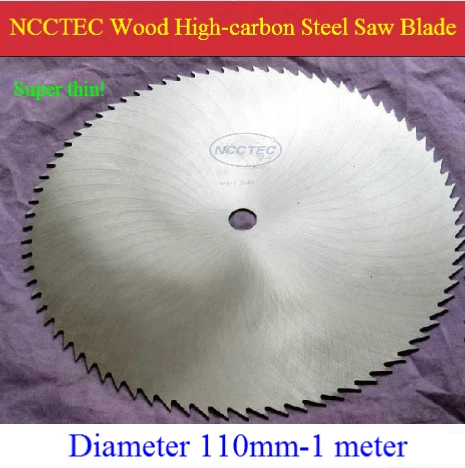
16 '➀ зубцов из высокоуглеродистой стали деревянные резцы для дорогой


Каталог Полотна для пил
Saw Blades: The Essential Tool for Precision Cutting
When it comes to precision cutting, having the right saw blade is essential. Whether you are a professional carpenter or a DIY enthusiast, having a high-quality saw blade can make all the difference in the outcome of your project. In this article, we will explore the different types of saw blades available in the market, their features, and how to choose the right one for your specific needs.
Circular Saw Blades:
Circular saw blades are one of the most commonly used types of saw blades. They are versatile and can be used for cutting various materials such as wood, metal, plastic, and even masonry. Circular saw blades come in different sizes, and the number of teeth on the blade determines the type of cut it will produce. Blades with more teeth provide a smoother cut, while blades with fewer teeth are ideal for faster, rough cuts.
Miter Saw Blades:
Miter saw blades are specifically designed for use with miter saws and are perfect for making angled cuts, such as when creating picture frames or crown moldings. These blades have a unique tooth geometry that allows for clean and precise cuts at different angles. They are available in various tooth configurations to suit different cutting requirements.
Reciprocating Saw Blades:
Reciprocating saw blades, also known as sawzall blades, are designed for heavy-duty cutting tasks. They are commonly used in demolition and remodeling projects. Reciprocating saw blades have a coarse tooth pattern that allows for fast cutting through materials like wood, metal, and even masonry. These blades come in different lengths and tooth configurations, enabling you to choose the right blade for specific applications.
Jigsaw Blades:
Jigsaw blades are ideal for intricate and curved cuts. They have a slender and narrow design, allowing for greater maneuverability and control. Jigsaw blades come in various tooth patterns, including fine, medium, and coarse. The tooth pattern determines the type of cut it will produce. Fine-tooth blades are perfect for cutting materials like laminate or veneer, while coarse-tooth blades are suitable for cutting softwood or thicker materials.
Choosing the Right Saw Blade:
When selecting a saw blade, there are a few factors to consider. Firstly, it is important to determine the type of material you will be cutting. Different materials require different blade types and tooth configurations. Secondly, consider the desired cut quality. If you require a smooth and clean cut, opt for blades with a higher tooth count. Lastly, consider the power of your saw. Higher-powered saws can handle blades with more teeth, while lower-powered saws may struggle with blades that have a high tooth count.
In conclusion, a quality saw blade is an essential tool for precision cutting. Whether you are working with wood, metal, plastic, or masonry, there is a saw blade designed specifically for your needs. Understanding the different types of saw blades and their features will help you make an informed choice when selecting the right blade for your projects. Invest in a high-quality saw blade, and you will achieve accurate and professional results in your cutting endeavors.